Tennis elbow, or lateral epicondylitis, is a medical condition that affects many people worldwide, not just people who play tennis. This painful illness results from overemployment of the elbow in performing daily tasks, leading to inflammation and discomfort on the outside of the elbow. In India, there are many people who suffer from this disease and are unable to use their bodies to their full potential. Ayurveda offers a range of useful and effective remedies for managing and treating this condition to regain the lost mobility and also live life to the fullest. In this blog, we will uncover what tennis elbow is, its primary causes, known symptoms, and how some Ayurvedic treatments can make a significant difference.
What is Tennis Elbow?
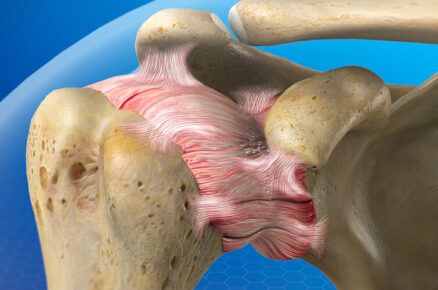
Tennis elbow occurs when the tendons in your elbow become inflamed or damaged and is characterized by pain as well as tenderness on the outer part of the elbow, which can also radiate down the forearm. It is primarily caused by repetitive stress or overusing the forearm muscles and tendons than the normal levels, particularly the extensor muscles that extend to the wrist and fingers.
Despite its name, tennis elbow isn’t exclusive to tennis players but, it can affect anyone who engages in repetitive arm motions or overuses the elbow, such as carpenters, painters, and even office workers who frequently use a computer mouse. It is true that an ounce of prevention is worth a pound of cure, thus understanding the condition is the first step to reaching effective management and then curable treatment.
Some Known Causes of Tennis Elbow
- Repetitive Motions:
Some activities that involve repetitive arm movements, such as swinging a racket, or bat or using tools in a repetitive manner, can lead to cause damaging strain on the elbow.
- Overuse:
When there is excessive or improper use of the arm muscles in activities that involve lifting heavy objects or performing the same motion repeatedly, can contribute to the development of tennis elbow.
- Poor Technique:
When people start using incorrect techniques while performing activities, such as improper grip while playing sports or using tools, can increase the risk of injury and also promote the development of tennis elbow.
Some Common Symptoms of Tennis Elbow
- Pain and Tenderness:
Pain is often first felt on the outer part of the elbow, which may worsen with movement or pressure and turn into excruciating pain soon. Smart minds know that pain is inevitable, but suffering from the pain is optional.
- Weakness:
Some affected individuals may experience weakness in the forearm and difficulty in gripping objects firmly. This weakness is usually a sign of tennis elbow.
- Stiffness:
The elbow can feel stiff most of the time, especially in the morning or after periods of physical inactivity. This stiffness could be a symptom of tennis elbow.
- Radiating Pain:
Sometimes the pain may extend from the elbow down the forearm and to the wrist, which can be a sign to seek medical help and find relief from the pain.
Ayurvedic Remedies for Tennis Elbow
- Herbal Poultices and Oils
- Turmeric Paste:
Turmeric is known for its magical anti-inflammatory properties that can be used to make a paste that reduces pain and swelling. Mix turmeric powder with water or milk to form a paste and apply it to the affected area. “The best defence is a good offence” applies here, as proactively using turmeric can help defend against inflammation and reduce pain.
- Ashwagandha Oil:
Ashwagandha is known for its spectacular ability to strengthen muscles and reduce inflammation. Warm Ashwagandha oil can be gently massaged into the elbow to promote healing and strengthening of the feeble muscles.
- Ginger Compress:
Ginger has natural anti-inflammatory properties that can help reduce pain and swelling. Start by boiling ginger slices in water, letting them cool, and using it as a compress on the elbow works like a charm.
P.S.- Please use these Ayurvedic remedies only after consulting with your doctor or a qualified medical professional. Different people have different body needs and one remedy may not be a one-size-fits-all for everyone. Thus, do not use these remedies without consulting medical professionals.
- Abhyanga (Ayurvedic Oil Massage)
Abhyanga is an effective Ayurvedic massage technique that involves applying warm herbal oils to the body. For tennis elbow patients, using oils such as Sesame oil can help improve circulation, reduce inflammation, and ease pain.
- Panchakarma Treatments
Panchakarma is a series of detoxification therapies in Ayurveda that help cleanse the body and restore the balance of health. Specific treatments such as Vasti (medicated enema) or Pizhichil (oil bath) can be used to alleviate pain and promote healing in the affected elbow.
- Dietary Recommendations
- Turmeric and Ginger:
Both of these have natural anti-inflammatory properties that help in managing inflammation.
- Leafy Greens:
These are rich in antioxidants and vitamins that support joint health contributing actively to maintaining overall well-being.
- Healthy Fats:
Some foods like flaxseeds and walnuts can help reduce inflammation and support the better health of the body.
- Yoga and Stretching Exercises
Gentle yoga and stretching exercises that are performed every day can help improve flexibility and strength in the forearm and elbow. Some famous Yoga poses such as Downward Dog and Child’s Pose can promote circulation and alleviate stiffness for tennis elbow patients and provide them the relief they seek.
Conclusion: Tennis Elbow can Affect You, But Don’t Let It Become Permanent
Tennis elbow can be a challenging medical condition for those who suffer from it and also the family members of the patient. But, by understanding its primary causes and symptoms we can take the first step toward finding the desired relief from neck pain. By utilizing Ayurvedic remedies and practices after consulting a qualified medical professional, you can speed up your body’s natural healing processes and the solution to eliminate the discomfort being faced. For those souls struggling with the pain of tennis elbow, explore the limitless realm of Ayurveda and find your promising path to recovery and well-being. Remember, “A journey of a thousand miles begins with a single step,” and taking proactive measures at an early stage can lead to a healthier and more fulfilling life in the future. Do not wait for the problem to become big but rather find bigger solutions to small problems for the best life memories.