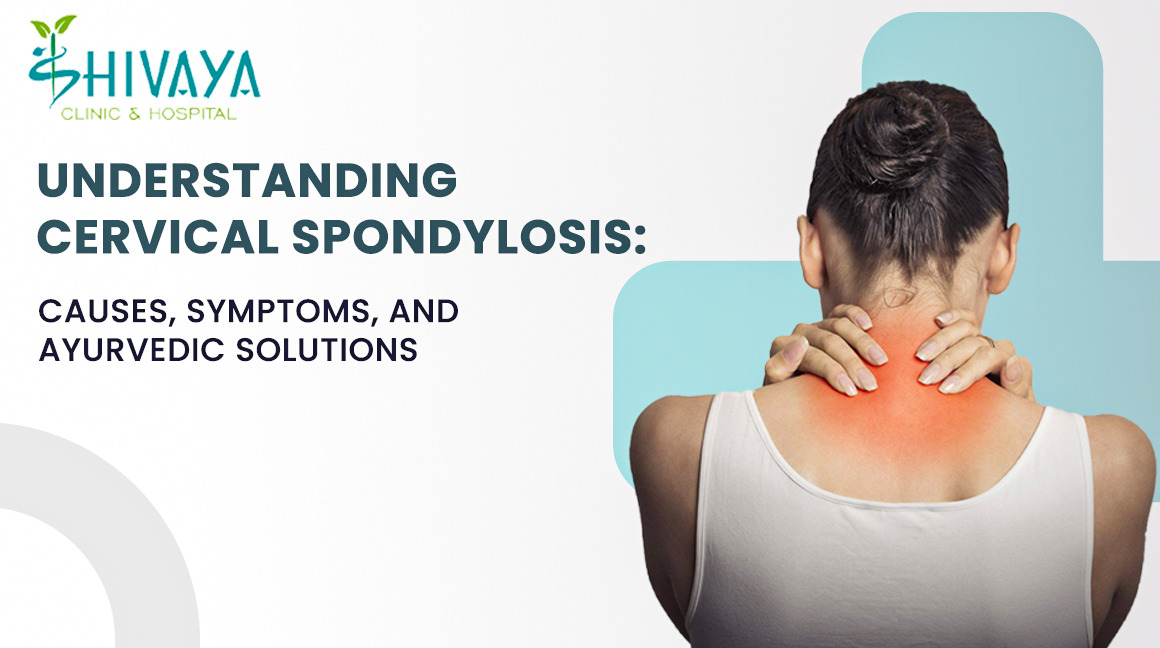
Cervical spondylosis is a common, age-related medical condition that affects the joints and discs in your neck, impacting your active lifestyle in an adverse manner. It is also known as neck arthritis, this condition develops from the constant or regular wear and tear of cartilage and bones, which further leads to pain and stiffness. In India, there are many people challenged with Cervical Spondylosis because of many reasons. Ayurveda is the ancient science of healing which offers a natural and effective approach to treating as well as managing this condition. In this blog will learn more about what cervical spondylosis is, its primary causes, known symptoms, and how some Ayurvedic treatments can turn the tables for Cervical Spondylosis.
What is Cervical Spondylosis?
Cervical spondylosis is a degenerative condition that affects the cervical spine, also known as the neck. As we age and add more numbers to our birth years, the bones and cartilage in the neck gradually tend to wear down because of constant use for years together, leading to cause some unhealthy changes such as bone spurs, herniated discs, and stiff ligaments. These changes can also compress the nerves, causing pain, stiffness, and other symptoms. This medical condition is extremely common worldwide, particularly impacting many individuals over 50 years of age. However, some younger individuals who regularly engage in physical activities that can strain the neck, such as long hours of computer work, poor posture, or heavy lifting are also at risk of developing symptoms of this disease. As the old saying goes, “Old age and treachery will always beat youth and exuberance,” this reminds us that age-related problems like cervical spondylosis are a natural part of life, but they can be treated correctly to give the needed relief with the right approach and proper support.
Some General Causes of Cervical Spondylosis
- Aging:
The most significant factor in developing Cervical Spondylosis is aging. Over time, the spinal discs will lose moisture and begin to shrink, leading to bone spurs and other degenerative changes. With age comes wisdom, and in this case, the wisdom we need to take care of our bodies as we age.
- Herniated Discs:
Age-related dehydration and weakening of the discs can also lead to herniation, where the inner material of the disc protrudes from its defined area and puts extra pressure on the spinal cord or nerves.
- Bone Spurs:
It is true that the body will produce extra bone in response to constant degeneration, which can also impinge on surrounding nerves, leading to excreting pain. It is advised to address any issues as early as possible to avert more significant problems in the future.
- Stiff Ligaments:
All ligaments will naturally stiffen with age, thus reducing neck flexibility and creating more discomfort. Hence, by exercising daily stiff ligaments can be avoided for the better.
- Injury:
Certain past neck injuries are known to increase the risk of developing cervical spondylosis. Therefore, consult your doctor or a trained physician whenever pain is felt for the best treatment outcomes
Common Symptoms of Cervical Spondylosis
- Neck Pain and Stiffness:
Constant pain is usually felt in the neck and may worsen with any movement of the neck. Unexplained stiffness, particularly in the morning or after periods of inactivity, is also a common symptom of Cervical Spondylosis.
- Headaches:
These are the reasons for many medical conditions including Cervical Spondylosis, here headaches often start at the back of the head and move forward, commonly referred to as cervicogenic headaches.
- Numbness and Weakness:
Some individuals have also experienced numbness, tingling, or weakness in the arms, hands, or fingers due to nerve compression. When the nerves are compressed, it affects overall health as the healthy blood flow is interrupted and disturbed.
- Limited Mobility:
There is a reduced range of motion in the neck, making it difficult to perform everyday activities. Cervical Spondylosis has destroyed many active lifestyles by limiting their mobility and confining their field of view.
Some Effective Ayurvedic Remedies for Cervical Spondylosis
- Herbal Formulations
o Ashwagandha:
Ashwagandha is famous for its adaptogenic properties that help the body to effectively cope with stress and reduce inflammation.
o Turmeric (Curcuma Longa):
Turmeric has an active compound called curcumin, a potent anti-inflammatory agent that can help take the pain away and improve joint health.
Always consult your doctor or a qualified medical professional before using these remedies as all humans have unique compositions meaning, one solution may not benefit all in the same manner and could be harmful if not supervised by an expert.
- Yoga and Physical Exercises
It is a known fact that by performing regular practice of yoga everyone can maintain flexibility, strength, and balance in the cervical spine. Certain specific yoga asanas (postures) such as Bhujangasana (Cobra Pose), Matsyasana (Fish Pose), and Marjariasana (Cat-Cow Pose) can help in eliminating symptoms of cervical spondylosis and improve overall health.
- Dietary Recommendations
In Ayurveda which is the science of healing, diet is considered extremely crucial in effectively managing cervical spondylosis. By consuming more of the anti-inflammatory foods and completely avoiding unhealthy foods the symptoms of Cervical Spondylosis can be terminated. Consult a qualified dietician to find your perfect diet to eliminate all possibilities of developing Cervical Spondylosis.
Conclusion: Early Identification of Cervical Spondylosis Makes Better Treatment Possible
In summary, Cervical Spondylosis is a medical condition that can significantly impact the quality of life of any individual if not treated or managed properly and most important early. After understanding its basic causes, known symptoms, and the magical preventive measures we can maintain a healthy neck, and spine and also an active lifestyle. Ayurveda has effective solutions to many illnesses including this to assist in managing cervical spondylosis by focusing on balancing the body’s energies, reducing inflammation, and promoting overall well-being all by natural means. Consult your doctor or a medical professional before implementing Ayurvedic remedies to be blessed by better outcomes and practice of yoga and by incorporating daily exercises into your daily routine, you can find relief from pain, improve mobility, and prevent further degeneration of the cervical spine. Remember, even the journey of a billion miles begins with a single step, take the first step to avoid Cervical Spondylosis and lead a healthy happening life for years to come.